
BLACK LAND OWNERSHIP
A grassroots organization founded to combat the historical, systematic and institutionalized marginalization experienced by people of African descent when it comes to land both nationally and internationally.
Anywhere colonization has happened Black and Brown people have been stripped of land and this is a human rights issue. It is imperative that we recognize the outrageous mistreatment and disparity experienced by people of African descent when it comes to land ownership—not only in the United States but worldwide.
OUR MISSION
Short term, our goal is to centralize information, identify opportunities and empower Black people to purchase land—specifically in rural areas. Long term, we aim to fund land projects that support the Black community artistically, economically and educationally as well as connect the worlds of social justice, environment protection, permaculture and sustainability.
BLACK LAND OWNERSHIP IS A HUMAN RIGHTS ISSUE.
Our research, although specific to the Black community, unequivocally reveals the need to raise awareness for other marginalized groups — women, trans, indigenous, immigrants — with limited resources or capital.

OUR PROJECTS
RECREATION
Educational Eco-Hub
22 acres in Richfield Springs, NY
Black Land Ownership has purchased a 150K property in Richfield Springs, NY with 22 acres, lake access, a single-wide trailer in the midst of renovation, a grape arbor, apple trees, wildflowers and more.

Achievements: Raised $5,000 in donations and 9,500 via a crypto grant put into a liquidity pool
WHAT WE WILL DO WITH THE LAND/PROPERTY...
This property will be the Black Land Ownership Eco Hub. We will offer programming such as: conferences, workshops, seminars, outdoor immersion, yoga retreats, field trips for youth and other gatherings. The Eco Hub will be an arts driven, sustainability oriented, education center; geared around anti-racist and anti-colonialist theory. One rooted in Pan-African philosophy and indigenous knowledge systems.
IDEAS WE ARE CONSIDERING:
Natural Building Workshops
A yearly outdoor music festival
Artists residency programs
Small level sustainable farming/Permaculture initiatives
Outdoor art installations all around the property
Reintroduction to wilderness survival training
Self-defense for women/marginalized groups
Rites of passage weekends for young people
Water safety/swimming activities
Writing Retreats
Flora and Fauna Identification
Sanctuary Land
15.6 acres, 15 minutes outside of Cooperstown—Fly Creek, NY
Hiking and Camping for folks who feel less protected in state parks or common lands: There are numerous people who feel unsafe camping and hiking on public lands due to the history of racial violence in rural areas. We want our land to be a safe space for folks who would like to experience the great outdoors without the threat of harassment, intimidation and overt racism.
Achievements: Raised $20,000 of the 25 K necessary to buy the property
ACTIVITIES AT THE SANCTUARY
We would like to create a sculpture park made with all organic materials—stone and wood monoliths, microliths, sculptures that incorporate the sun, wind, seasons, and natural processes that utilize gravity and inclines and work with the forested areas of the property. This project will allow us to:
—Get to know the land and the resources it holds
—Promote creative endeavors that aim to sustain natural environments
—Connect with the community by offering an explorative experience in nature
—Support independent artists who may not get the chance to work in such a vast and natural environment
CONSERVATION
WETLAND PROTECTION
Mississippi Wetlands
10 acres of natural wetlands in Jackson County, Mississippi
This land, unsuitable for construction, will be dedicated to serving as a nature sanctuary. We seek to ensure there are protected areas for wildlife to flourish as surround coastal areas are bought up by oil companies and ship manufacturers. Our vision extends further to establishing a potential marshland and riparian zone research center
Lies within a flood zone heavily affected by Hurricane Katrina
ACTIVITY ON THE WETLANDS
We would ideally like to partner with a university, college or indigenous tribe in the area to enhance biodiversity and nature based technology practices that help protect sacred wetland species and. habitat. Any studies done on the property would—
—Empower natural habitat
—Work in connection with nature rather than against it
—Support indigenous knowledge systems
COMMUNITY GARDEN
Memphis, Tennessee Lot to Legacy Project
.25 acre vacant lot in South Memphis—five minutes from the Stax Museum
South Memphis has long been a center of Black resistance, expression, and self-determination. This is our first project located in an urban environment, with a longer growing season and deep community ties.
Land loss and vacancy in urban neighborhoods are not random—they are the result of historic and ongoing policies that exclude communities from land ownership and decision-making.
Black Land Ownership’s Lot to Legacy project supports community stewardship and the long-term protection of land for public benefit. This work is part of a broader collective effort to reclaim land as a shared right and responsibility.
ANCESTRAL STEWARDSHIP SITE
Takoma Park, Washington D.C.
The Whittier Street Ancestral Stewardship Site is a living example of what it means to keep Black land in the family across generations. Raised within this home, founder Chris Banks Carr was surrounded by educators, lawyers, thinkers, and community members whose lives were rooted in collective responsibility, justice, and care. The house carries the presence and teachings of his mother, whose persistence, discipline, and belief in working together shaped the values that continue to guide the land today.
This site is stewarded not as a commodity, but as a homeplace — a space where knowledge, culture, and community have always coexisted. Its Pan-African library, gardens, and gathering spaces reflect a long tradition of intellectual inquiry, storytelling, and mutual support.
Within the mission of Black Land Ownership, the Whittier Street site demonstrates why ancestral land matters — not only as shelter, but as a foundation for identity, intergenerational learning, and self-determination. It stands as a reminder that land kept, cared for, and passed down becomes a source of stability and possibility, especially in a world where Black families have been systematically dispossessed of place.
This project affirms that protecting ancestral homes is as critical as acquiring new rural land. Together, they form a continuum: honoring where we come from, while ensuring future generations have ground to stand on.
The land itself holds memory: from the magnolia tree planted with family, to the wildlife that moves through the yard, to the rhythms of a neighborhood shaped by Black history and creativity.
Meet the Team
-
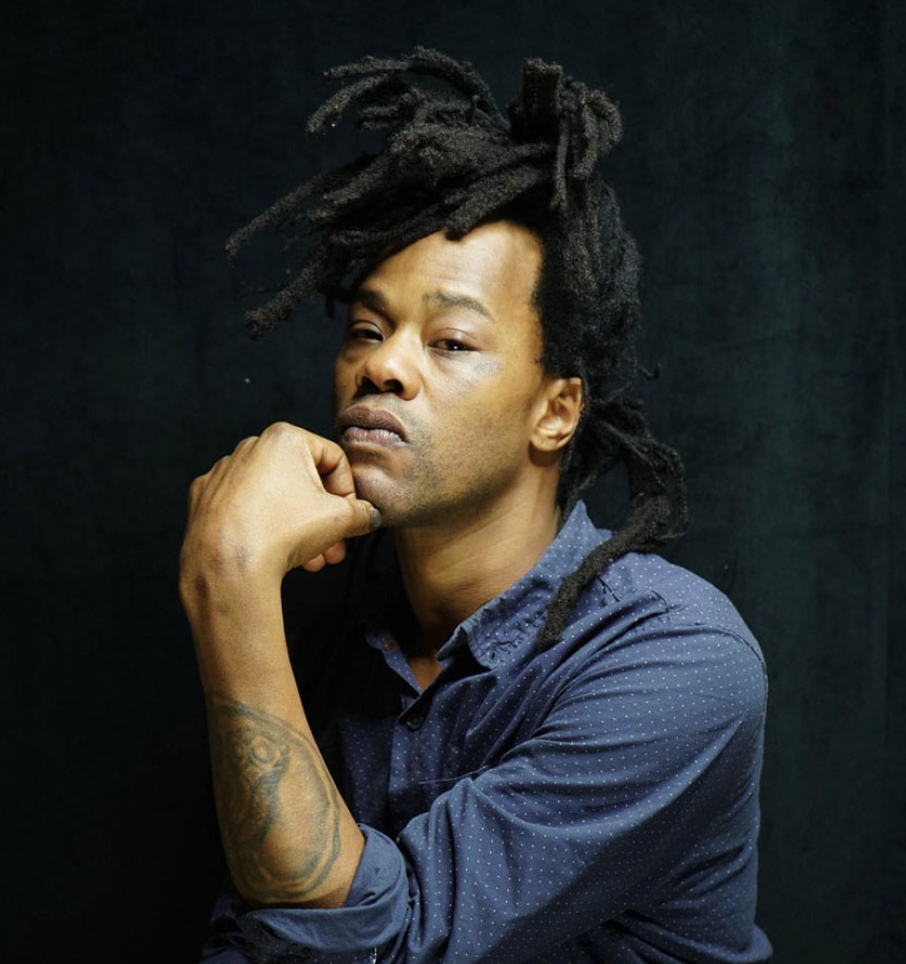
Christopher Banks Carr
FOUNDER
-
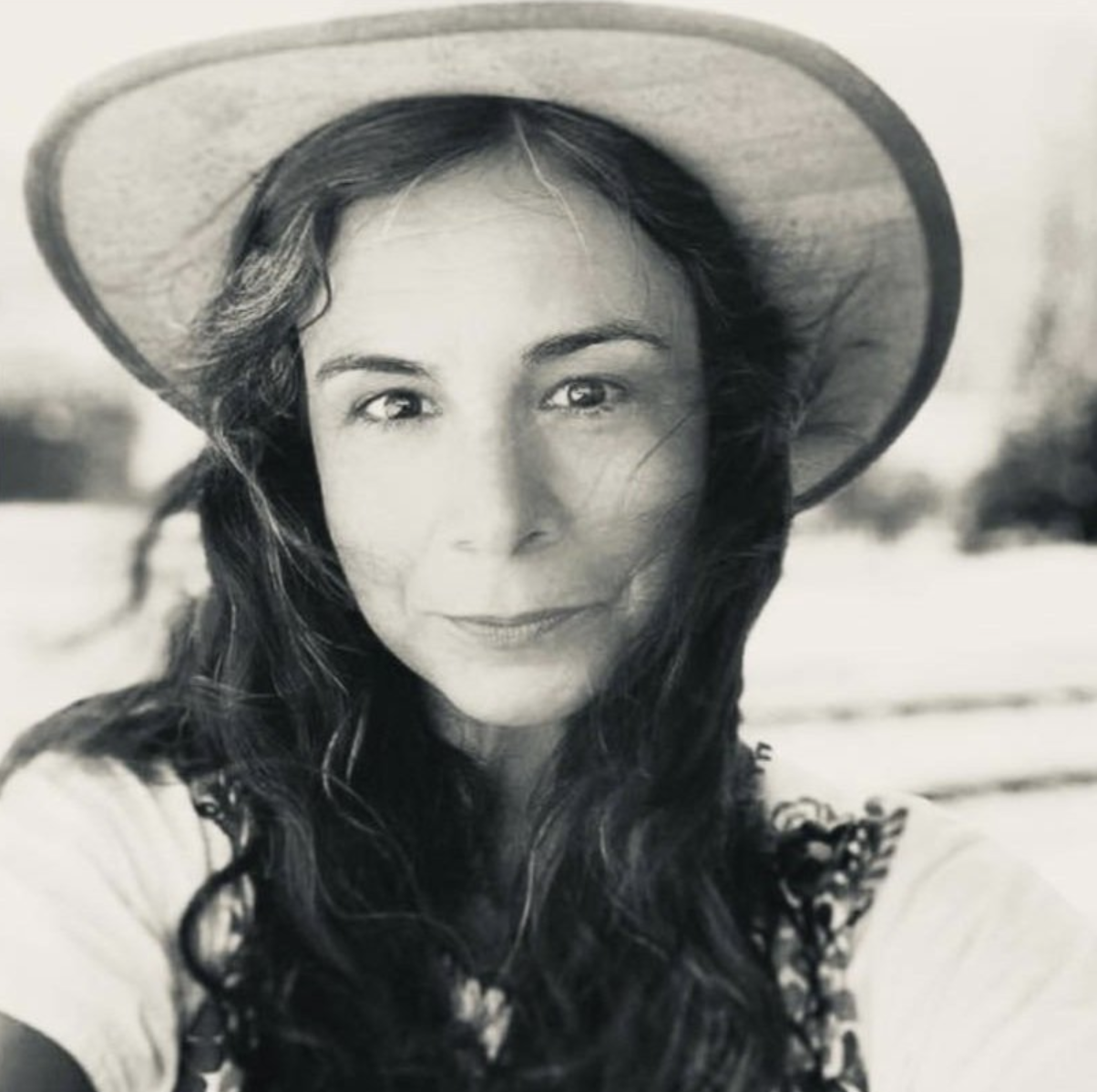
Melissa Hunter Gurney
FOUNDER
-

Ryn Burns
ARCHITECT & BOARD MEMBER
-

Christina Donnely
ADVOCATE
-
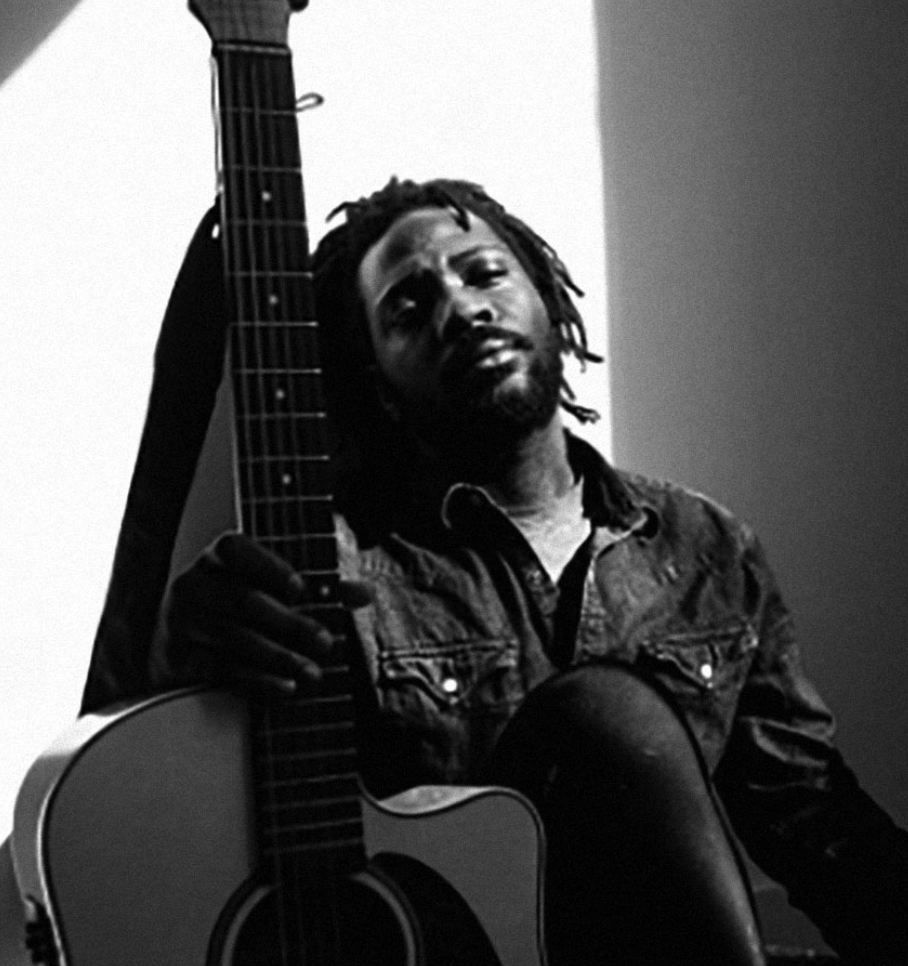
Marcus Jade
ADVOCATE
-
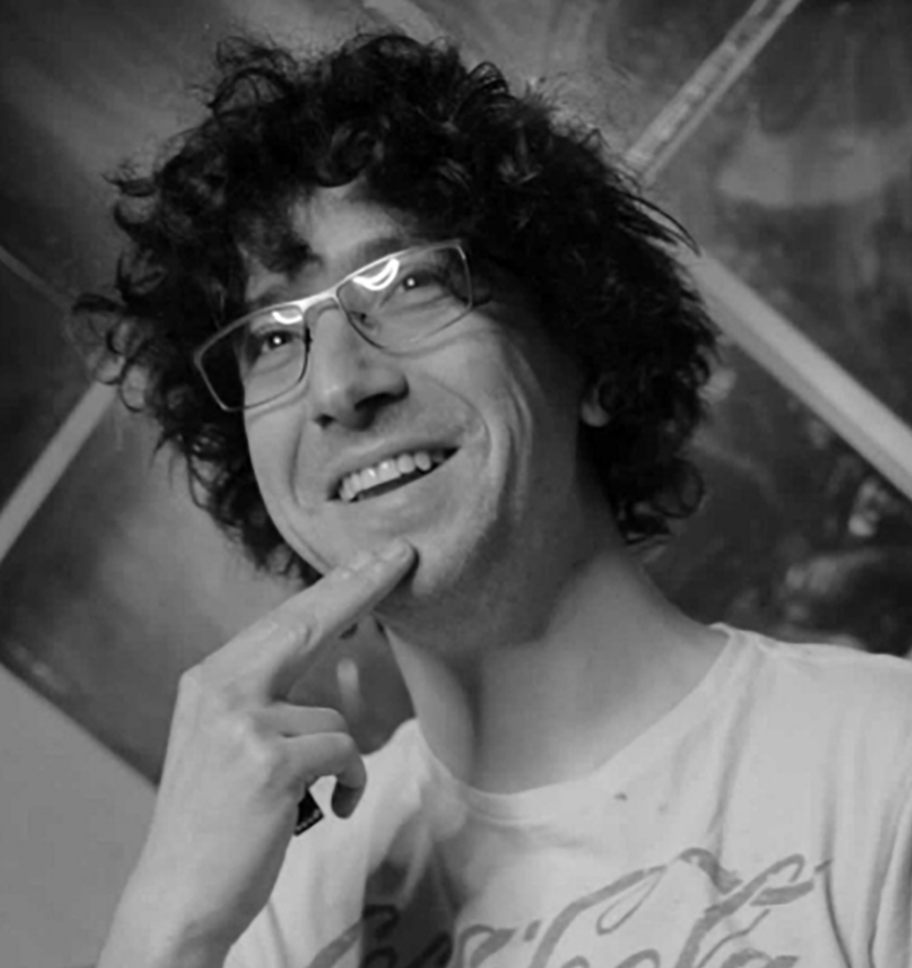
Vladic Ravich
ADVOCATE